

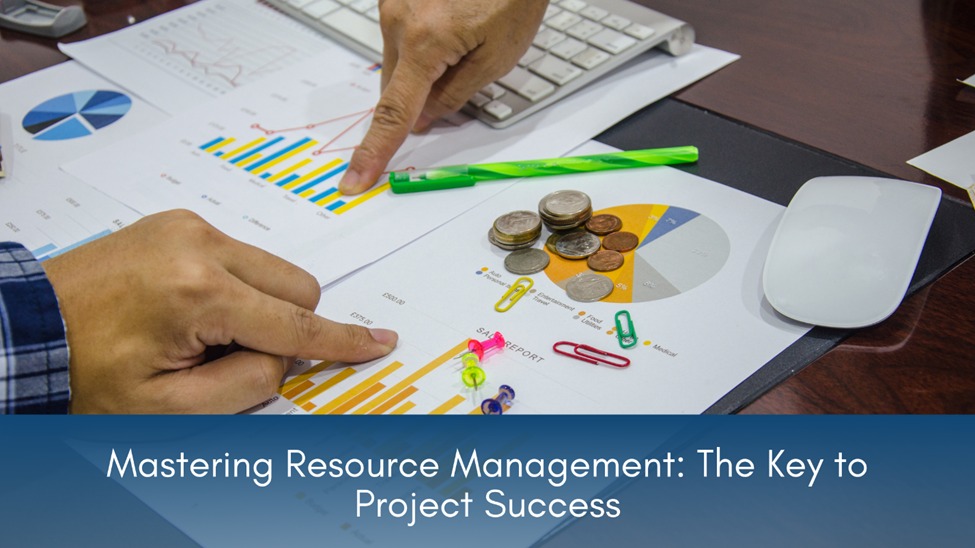
In today’s project-driven economy, resource management isn’t just a back-office function, it’s a critical lever for profitability, agility, and execution excellence. Whether you’re delivering complex IT services, managing cross-functional teams, or scaling your delivery engine, your ability to plan, allocate, and optimize resources determines the success or failure of every project.
Yet, resource management often remains reactive, spreadsheet-driven, or fragmented across silos. The result? Burned-out teams, underutilized talent, missed deadlines, and revenue leakage.
In this in-depth guide, we’ll walk you through the foundations, frameworks, and tools for mastering resource management so you can consistently deliver high-impact outcomes, not just outputs.
Why Resource Management Matters More Than Ever
The Modern Project Economy Demands Agility
As IT services and engineering organizations embrace agile delivery models, hybrid workforces, and outcome-based billing, resource management needs to evolve from:
- Static planning → Dynamic forecasting
- Top-down control → Real-time collaboration
- Gut feel → Data-driven insights
Effective resource management aligns people, skills, and availability with the ever-shifting priorities of modern business.
A study by PMI revealed that poor resource management contributes to over 30% of project failures globally.
Source: PMI Pulse of the Profession Report
The Pillars of Effective Resource Management
To truly master resource management, organizations must focus on the following key pillars:
1. Visibility
You can’t manage what you can’t see. Visibility means:
- A centralized view of all resources: billable and non-billable
- Clear understanding of current workloads and future availability
- Insight into skills, certifications, and past performance
This clarity helps delivery heads and PMOs make better allocation decisions.
✅ Learn how Whizible® delivers real-time visibility across your resource pool.
2. Forecasting and Capacity Planning
Success lies in the balance between demand and supply. Forecasting tools let you:
- Predict future resourcing needs based on project pipeline
- Identify upcoming shortfalls or excess capacity
- Plan hiring or upskilling well in advance
This ensures your bench becomes a strategic buffer not a cost center.
3. Allocation and Utilization Optimization
Assigning the right person to the right task at the right time is the heart of smart resource management. Key practices include:
- Skill-based allocation, not just availability-based
- Prioritizing utilization without overloading
- Rotating teams to prevent burnout and improve engagement
Optimal utilization in IT services hovers around 80-85% enough to ensure productivity without risking fatigue.
✅ Utilization Without Burnout: The Secret to Smarter Resource Allocation in IT Projects
4. Timesheet and Actuals Tracking
To improve, you must measure. Timesheet systems help you:
- Track effort vs. estimates
- Identify where time is leaking
- Improve future project estimates
This feedback loop powers continuous improvement in planning and execution.
Common Pitfalls in Resource Management (and How to Avoid Them)
1. Treating Resource Management as an Afterthought
When resourcing is reactive, projects often begin with unclear roles, overloaded teams, or last-minute hiring. Make resource planning part of your project initiation process.
2. Relying on Spreadsheets
Excel is great but not for managing dynamic, multi-project environments. Spreadsheets:
- Don’t update in real time
- Lack version control
- Can’t handle large, multi-dimensional data sets
Instead, adopt Professional Services Automation (PSA) platforms that unify projects, resources, and financials.
3. Ignoring Soft Constraints
Resources aren’t machines. Even if a person is “available,” they might be:
- Coming off a demanding project
- Learning a new technology
- Best suited for a different domain
Smart managers account for psychological readiness, preferences, and ramp-up time.
The Role of Technology in Resource Management
Modern resource management platforms like Whizible® are built to eliminate silos, automate repetitive work, and drive strategic insight.
What a Good Resource Management Tool Should Offer
- Centralized resource inventory
- Role and skill-based allocation engine
- Real-time availability and utilization views
- Integration with project financials, timesheets, and CRM
- Scenario planning and what-if analysis
- Bench visibility and skill gap identification
✅ See how Whizible® centralizes all aspects of project resource management.
Why Whizible® Stands Out
Unlike generic tools, Whizible® is purpose-built for IT services and project-driven organizations. It empowers:
- Delivery managers to forecast capacity
- RMG teams to allocate strategically
- CXOs to drive EBITDA growth through utilization improvements
With one-click dashboards, proactive alerts, and seamless integration with Microsoft Teams, it becomes your command center for resource intelligence.
Bench ≠ Burden: The Strategic Power of Idle Capacity
The traditional view of a bench as “idle cost” is outdated.
In fact, a smart bench strategy can help you:
- Respond faster to client escalations
- Experiment with internal innovation
- Cross-train resources across technologies
- Prepare for demand surges without hiring spikes
Insight: Leading firms convert their bench into a readiness layer, reducing time-to-staff by up to 40%.
✅ Bench ≠ Burden: How Smart Leaders Turn Idle Capacity into Strategic Leverage
From Tactical to Strategic: Elevating Resource Management
When elevated strategically, resource management becomes:
- A driver of profitability, not just delivery
- A source of competitive advantage in project bidding
- A lever for employee engagement and retention
It enables predictable delivery, reduces revenue leakage, and aligns execution with business strategy.
How to Get Started with Smarter Resource Management
Here’s a simple roadmap to maturity:
Step 1 – Audit Your Current State
- What’s your current visibility across resource pool?
- How is allocation done manual or system-driven?
- Are forecasting and utilization metrics tracked?
Step 2 – Identify Gaps and Pain Points
Look for:
- Overbooked key personnel
- Low bench visibility
- Unclear forecasting
- Fragmented tools and data
Step 3 – Evaluate Tools
Consider tools that offer:
- Real-time visibility
- Resource planning dashboards
- Timesheet and actuals tracking
- Seamless integration with delivery and finance systems
Request a demo of Whizible’s Integrated Resource Management Platform
Final Thoughts: Resource Management = Business Management
Mastering resource management is not a “nice to have”—it’s core to your project delivery engine.
In a volatile, fast-moving services landscape, the companies that win are those that match the right people to the right work, at the right time—with zero guesswork.
Start by giving your teams the visibility, tools, and foresight they need—and watch project delivery, profitability, and client satisfaction transform in just a few quarters.
Ready to Transform Resource Management?
Let Whizible® show you how to improve resource visibility, utilization, and delivery predictability all from one intelligent platform.
🔗 Schedule Your Demo Now → https://calendly.com/vishw/30min/invitees
Connect with us on LinkedIn
👉 Learn more about Whizible : www.whizible.com
📧 Email: info@whizible.com
Address: Mrugank, Level 3, Kothrud, Pune, Maharashtra, 411038