
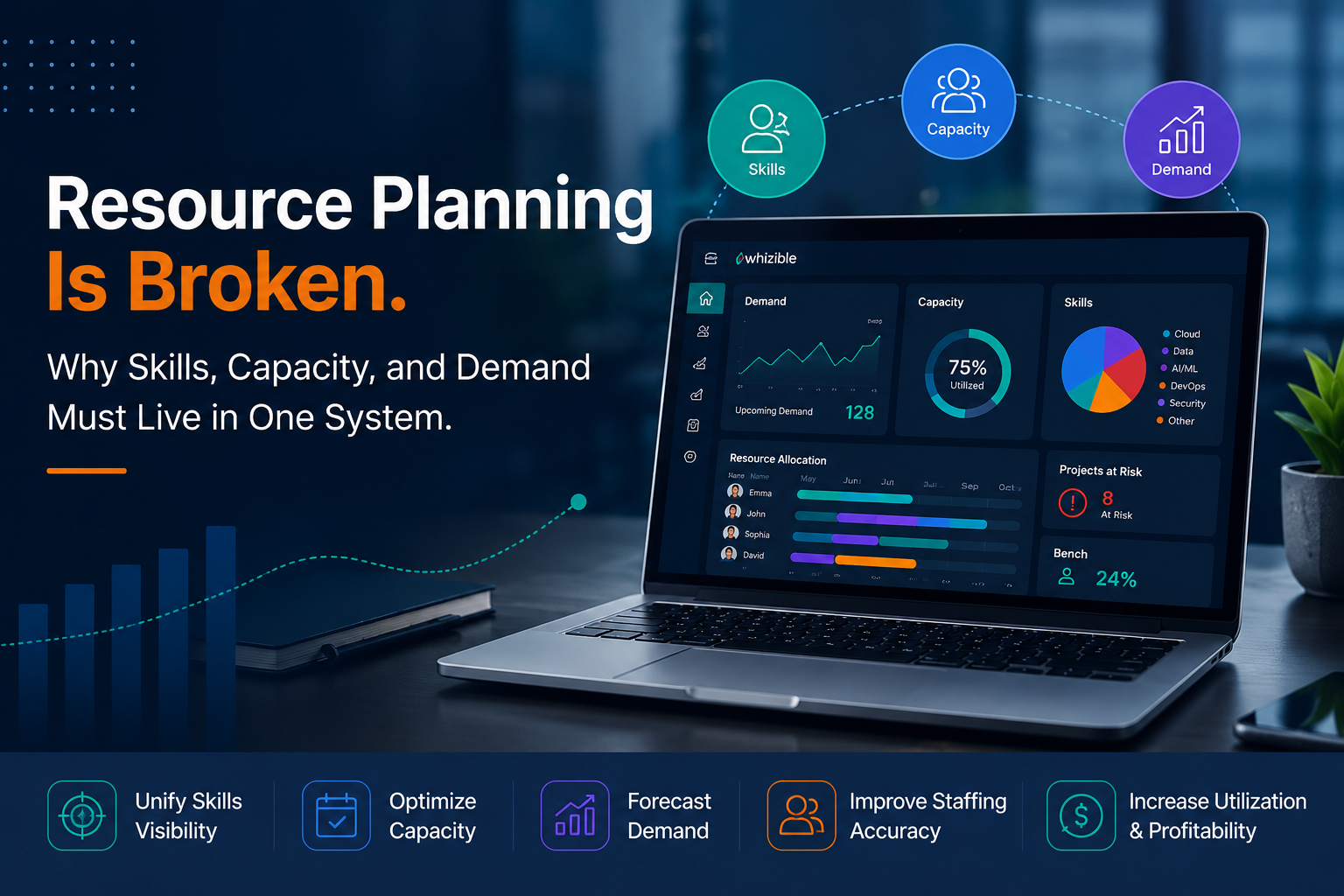
Modern IT services organizations are operating in one of the most volatile execution environments they have ever faced. Delivery timelines are shrinking. Customer expectations are increasing. Skill requirements are evolving faster than traditional workforce planning cycles can handle. Yet despite this complexity, many organizations still manage resource planning using disconnected systems, fragmented spreadsheets, isolated HR tools and manually updated project trackers.
This is where resource planning quietly breaks.
Most organizations today track skills in one system, project demand in another and actual resource capacity somewhere else entirely. Delivery managers build plans based on assumptions. HR teams hire based on outdated visibility. PMOs operate without real-time workforce intelligence. The result is predictable: bench inflation, overutilization, delayed staffing, margin leakage and delivery instability.
The core problem is not a lack of data.
The real problem is that skills, capacity and demand do not exist within a unified operational system.
When these three elements are disconnected, organizations lose the ability to make intelligent staffing decisions in real time. Resource planning becomes reactive instead of predictive.
A project pipeline may indicate upcoming demand for cloud architects, but if that demand is not connected to live skill inventory and current allocations, leadership cannot accurately determine whether to hire, train, or reallocate existing talent. Similarly, a delivery manager may see available capacity on paper but without visibility into actual competencies, certifications, utilization levels or future commitments, that capacity becomes operationally meaningless.
This disconnect creates governance blind spots across the organization.
Many IT services firms mistakenly believe utilization dashboards alone provide workforce visibility. In reality, utilization without skill intelligence and future demand forecasting creates an illusion of control. Teams appear allocated while critical capabilities remain unavailable.
This is why modern resource planning requires a unified execution system where workforce skills, live capacity, project demand, financial impact and delivery priorities operate together in one connected environment.
Through platforms like Whizible, organizations can move beyond fragmented resource management and create real-time workforce intelligence across projects, delivery teams, finance, and PMOs. Instead of manually reconciling data between HRMS systems, project trackers and spreadsheets, leadership gains a single operational view of execution readiness.
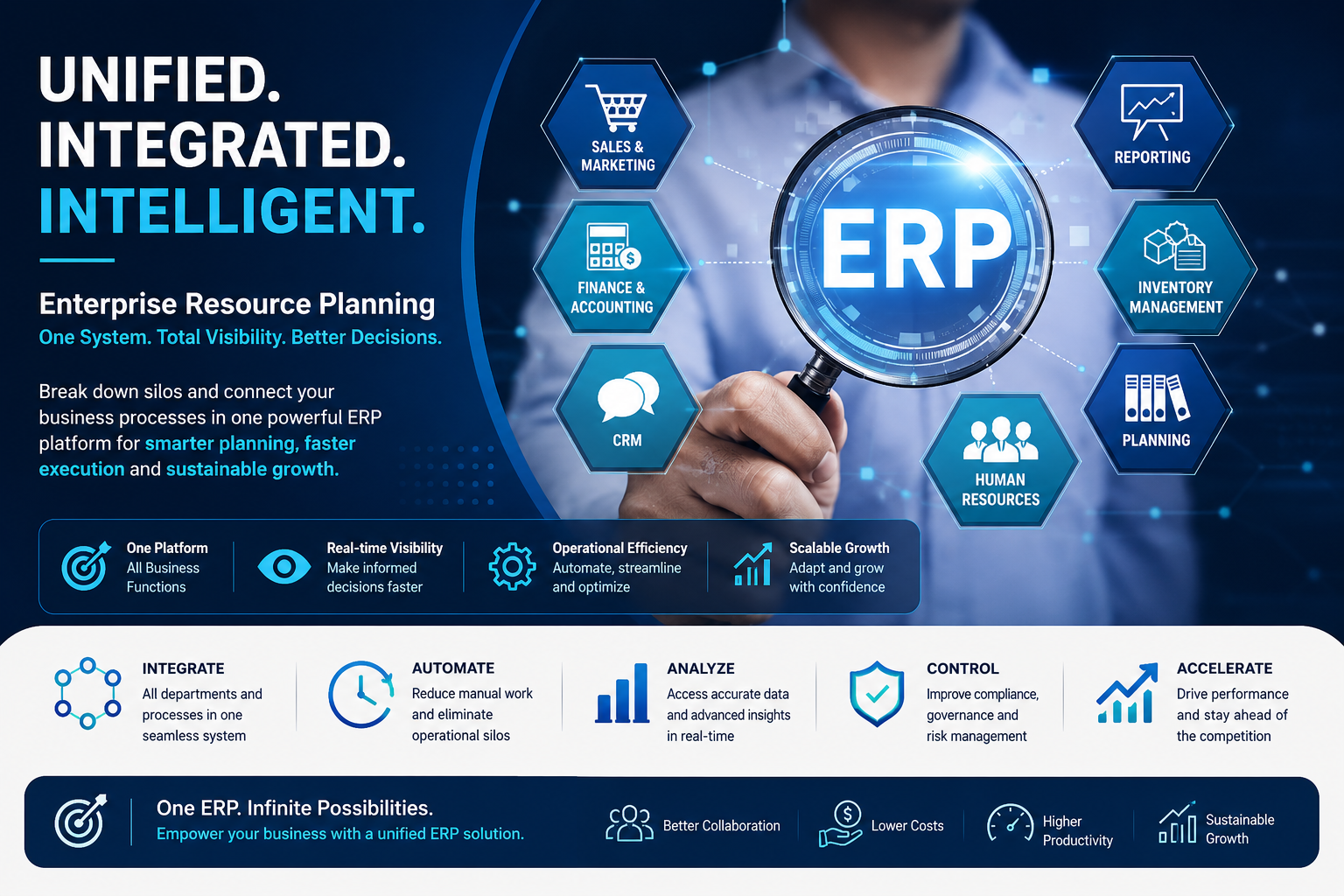
A unified resource planning approach enables organizations to forecast demand earlier, identify skill gaps proactively, optimize bench utilization and improve project staffing accuracy before delivery risks emerge. More importantly, it transforms resource management from an administrative process into a strategic business capability.
The firms that scale effectively in the coming years will not necessarily be the ones with the largest workforce. They will be the organizations with the highest execution visibility.
That visibility starts when skills, capacity and demand finally live in one system.
For deeper perspectives on operational visibility and execution intelligence, leaders can also follow Vishwas Mahajan.
FAQs
Why do traditional resource planning methods fail?
Traditional resource planning relies heavily on disconnected spreadsheets and delayed reporting, which prevents organizations from seeing real-time workforce availability, skills and future demand together.
What happens when skills and capacity data are disconnected?
Organizations experience staffing delays, bench inefficiencies, overutilization, delivery risks and inaccurate hiring decisions.
How does unified resource planning improve delivery predictability?
Unified systems provide real-time visibility into resource availability, competencies, future demand and project priorities, enabling proactive staffing decisions.
Can unified resource planning improve profitability?
Yes. Better allocation accuracy reduces bench costs, prevents overstaffing, improves billable utilization, and minimizes revenue leakage caused by staffing inefficiencies.